Announcing 2026 Biodiversity Scholars, Fellows, and Grant Awardees
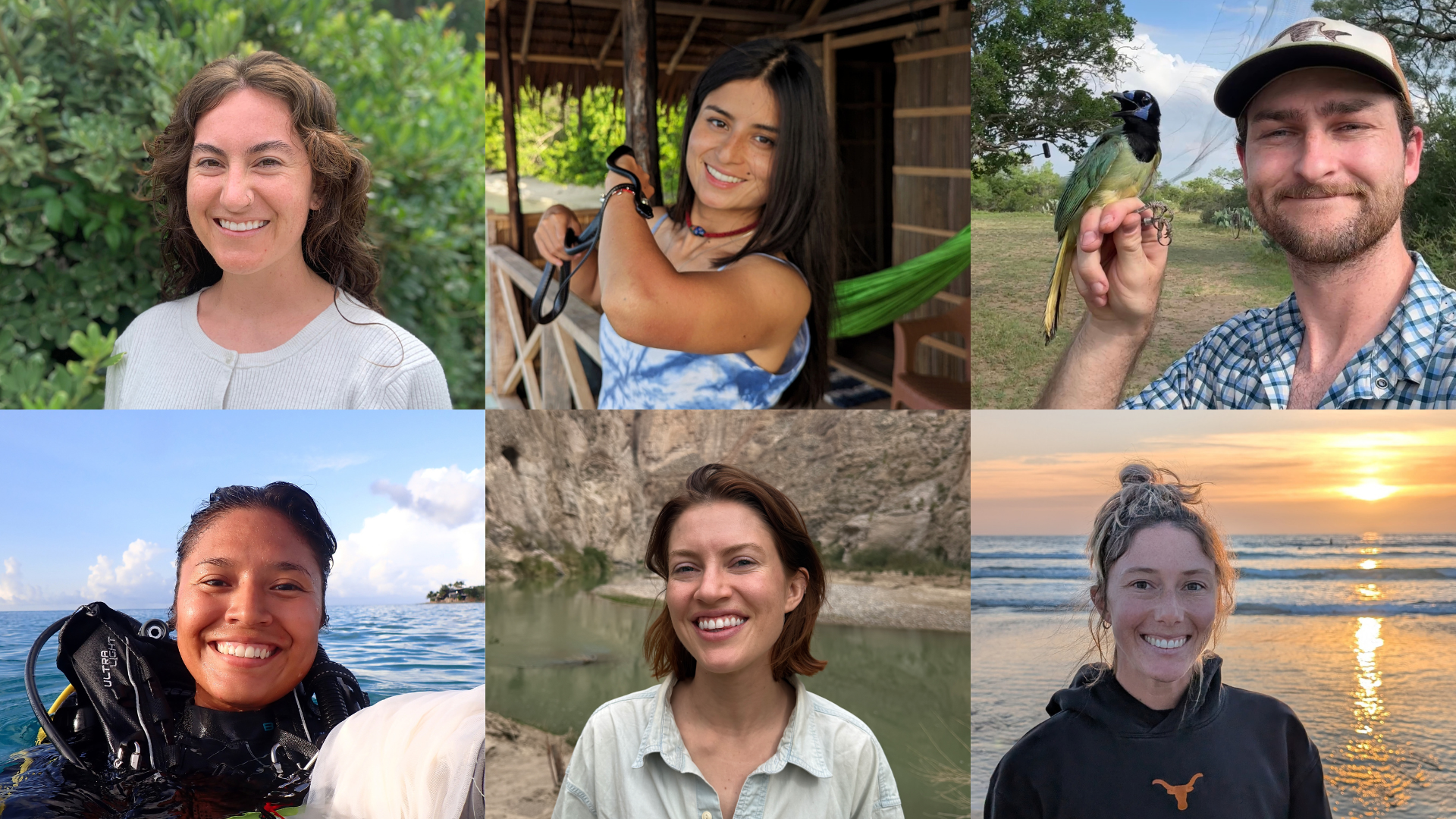
Funded by the Stengl-Wyer Endowment, the Stengl-Wyer Scholars Program provides up to three years of funding for talented postdoctoral researchers conducting innovative research in biodiversity sciences. The endowment also supports the Stengl-Wyer Fellowship Program, year-long graduate fellowships for doctoral candidates pursuing biodiversity sciences across disciplines. Programs that support undergraduate or graduate education, and incorporate the Texas Field Station Network or Biodiversity Collections, were awarded via the Stengl-Wyer Grants Program. Applications for the 2027 Scholars and Fellows programs are open.
Read below to learn more about our 2026 Scholars, Fellows and Grant recipients. Congratulations everyone!
STENGL-WYER SCHOLARS
Sierra Jaeger
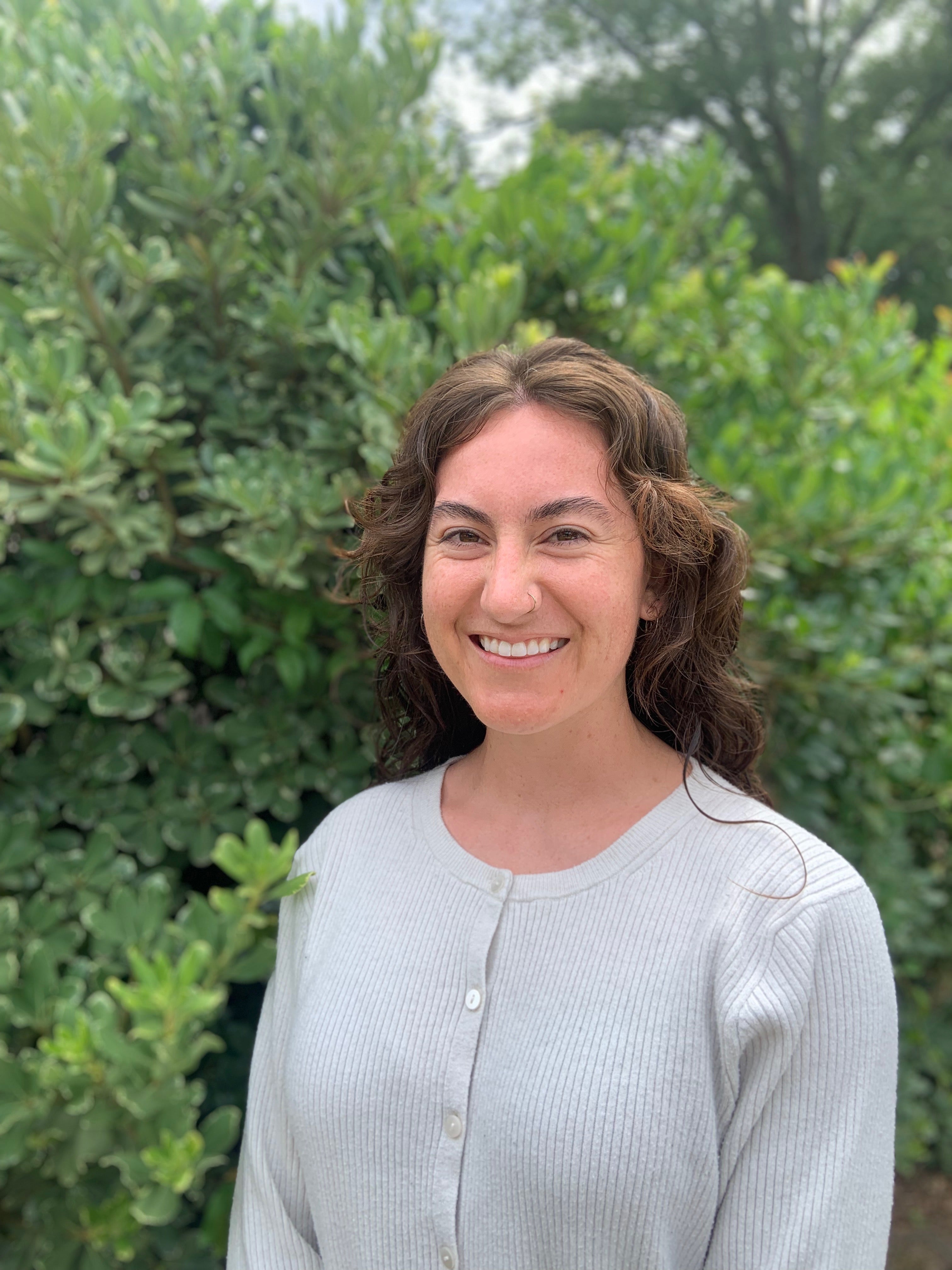
Sierra is an evolutionary ecologist who studies how plant interactions with their biotic and abiotic environments shape plant traits and contribute to their incredible diversity. Her PhD research at the University of South Carolina, advised by Dr. Eric LoPresti, examined the evolutionary ecology of floral betalain pigmentation in the sand verbenas, a group of North American wildflowers. As a Stengl-Wyer Scholar working with Dr. Shelley Sianta, Sierra is turning to cactus flowers, fruits, and stems to investigate the drivers of coloration across plant tissues. Combining field experiments with modern comparative methods, she’ll test whether pigmentation reflects adaptation to pollinators, herbivores, seed dispersers, or climate.
Maria Jose Navarrete
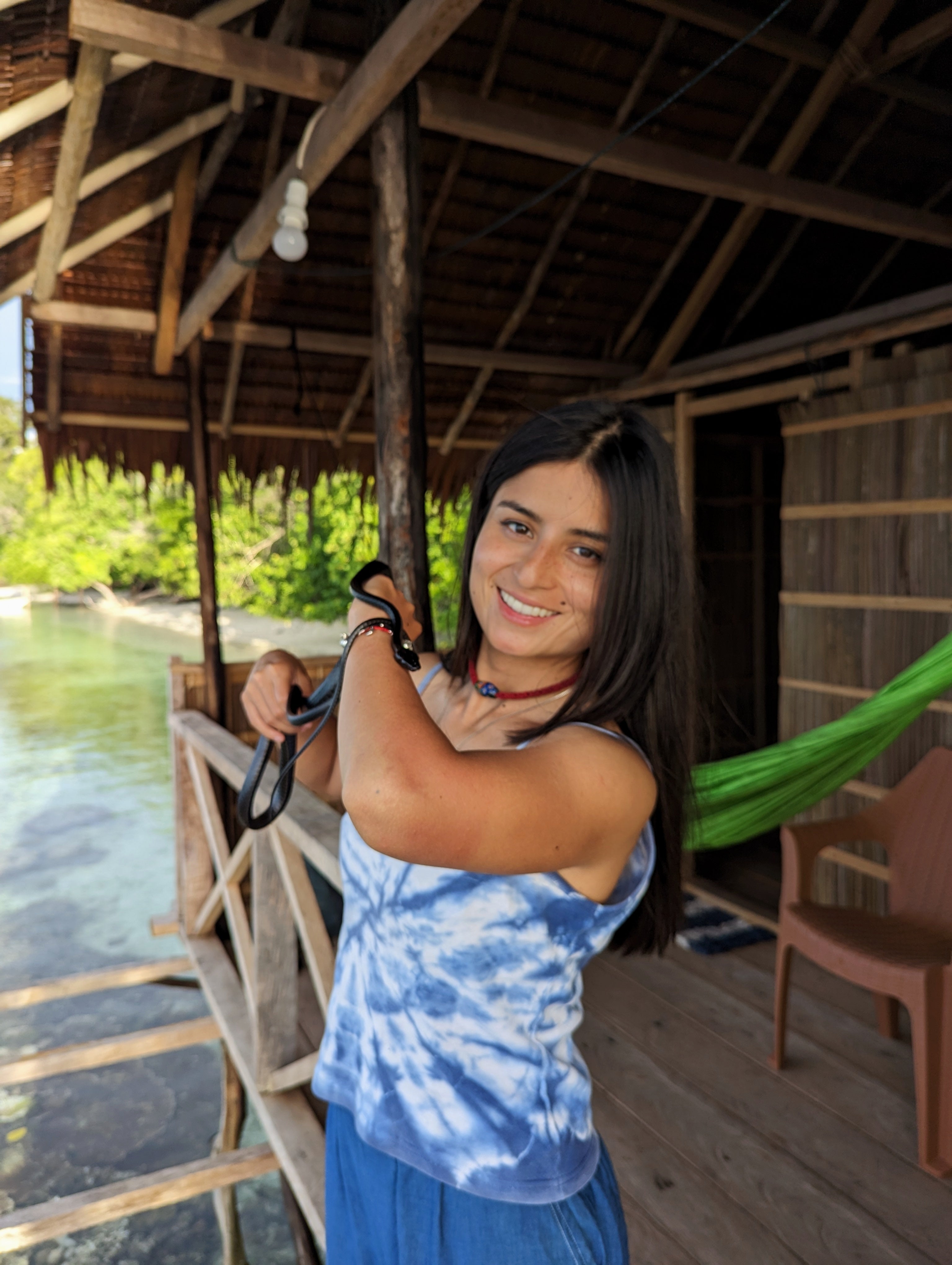
María José (“Majo”) is an evolutionary biologist interested in the mechanisms underlying convergent evolution, particularly how microbial symbioses may generate similar phenotypes in distantly related hosts. During her PhD with Dr. Rebecca Tarvin at UC Berkeley’s Museum of Vertebrate Zoology, she used highly endangered harlequin frogs (Atelopus) to investigate the evolution and potential microbial origin of tetrodotoxin (TTX), a potent chemical defense found across a remarkable diversity of animals. As a Stengl-Wyer Fellow, Majo will work with Dr. Thomas Juenger and Dr. Kelly Zamudio to investigate the microbial basis of adaptive phenotypes. Using TTX-bearing amphibians as a model, she will examine how individual bacterial taxa, entire microbial communities, and their functional genes may contribute to the repeated evolution of chemical defenses.
STENGL-WYER FELLOWS
Brian Stokes
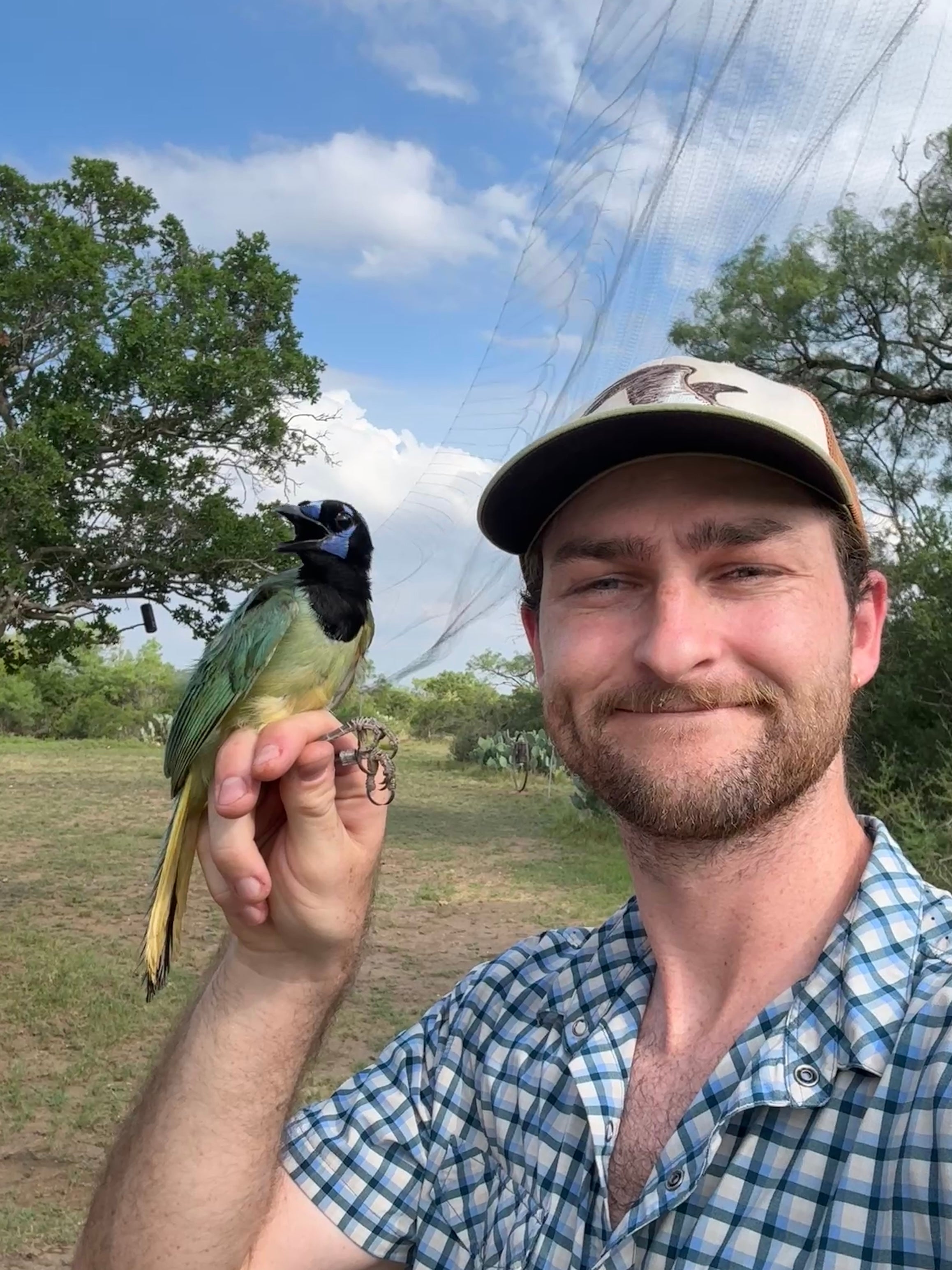
Brian is an ecologist and Ph.D. candidate in Dr. Timothy Keitt's lab, where he studies how species respond to global change through both ecological and evolutionary pathways. As a Stengl-Wyer Fellow, he will investigate how the timing and geography of bird migration are shifting across North America. Drawing on large-scale community science datasets, Brian works to characterize these changes at a continental scale and to identify the mechanisms driving them. His research combines quantitative modeling with a broad interest in the ways birds adapt to rapidly changing environments, with the goal of anticipating how migratory systems might persist in the decades ahead.
Daisy Flores
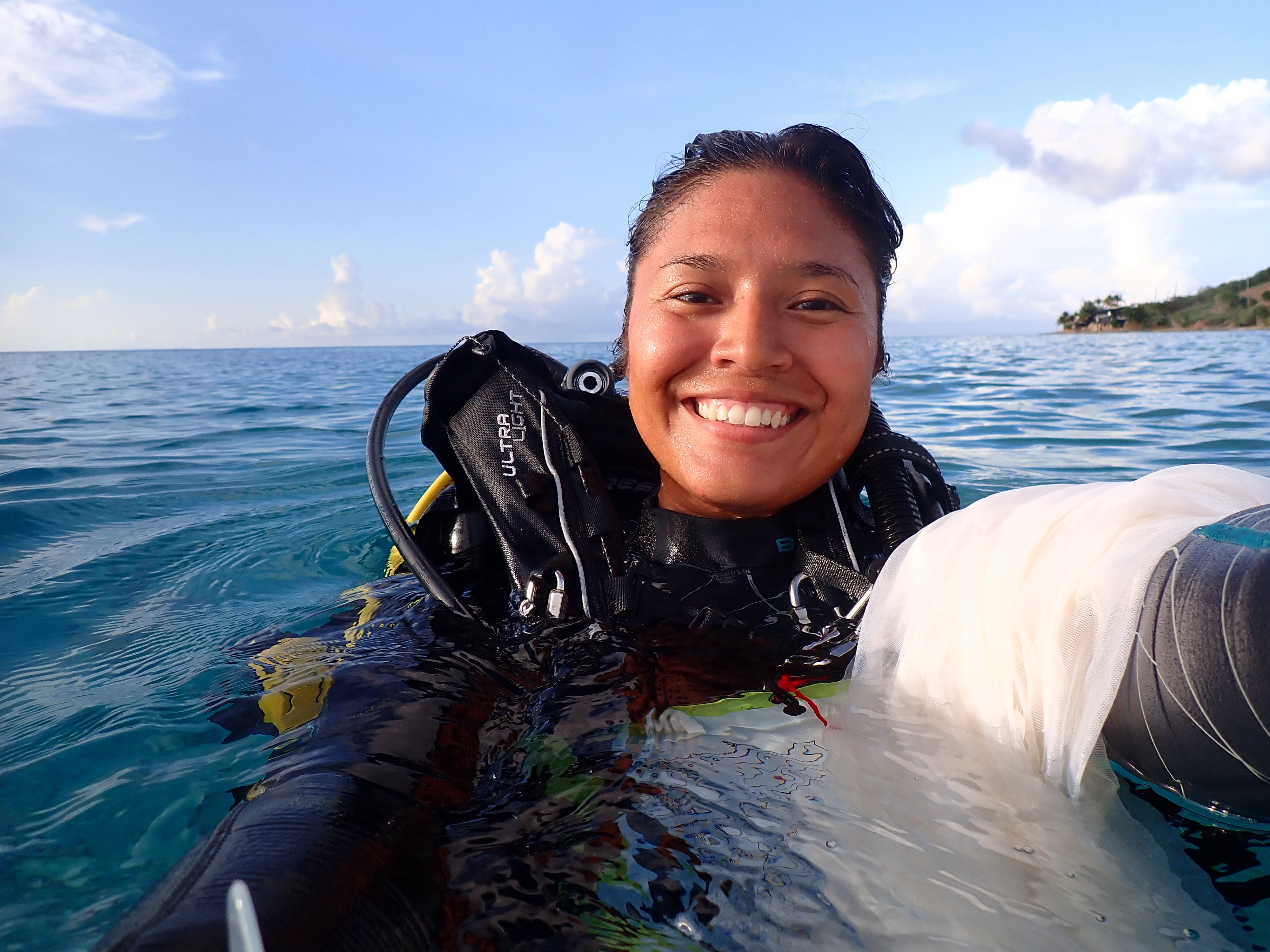
Daisy is a Ph.D. candidate in Dr. Mikhail Matz’s lab. She studies the evolutionary and biological constraints on Caribbean coral recovery through genetics and behavior. Her work examines the harmful mutations that accumulate across generations, the developmental hurdles that prevent larvae from repopulating reefs, and the feeding adaptations corals use to survive turbid water. As a Stengl-Wyer Fellow, she will continue to investigate why some coral populations persist while others spiral toward extinction, to provide insights for coral conservation.
Elena Leander
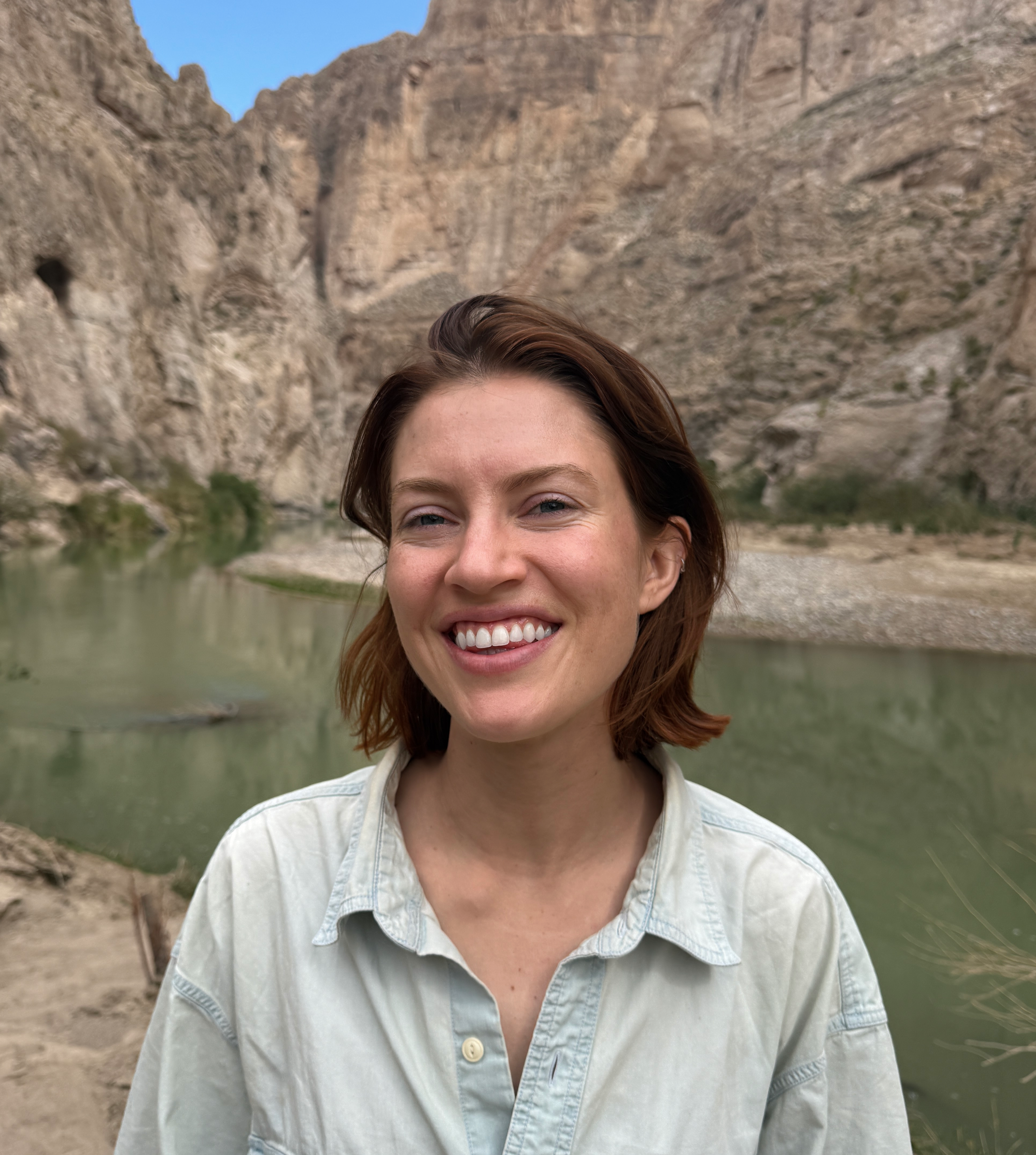
Elena is a Ph.D. candidate in Dr. Amelia Wolf's lab, where she studies how plant and soil microbial communities respond to disturbances associated with environmental change. Her research focuses on the ancient partnership between plants and arbuscular mycorrhizal fungi (AMF) in Texas grasslands. Leveraging a long-term field experiment and parallel greenhouse study, Elena integrates metatranscriptomics, AMF community sequencing, and vegetation data to examine how disturbance type and interactions shape plant-AMF responses. As a Stengl-Wyer Fellow, she will investigate these responses through the lens of ecosystem resilience, testing whether fungal diversity can buffer mutualisms and support overall ecosystem function.
Juju Dessert
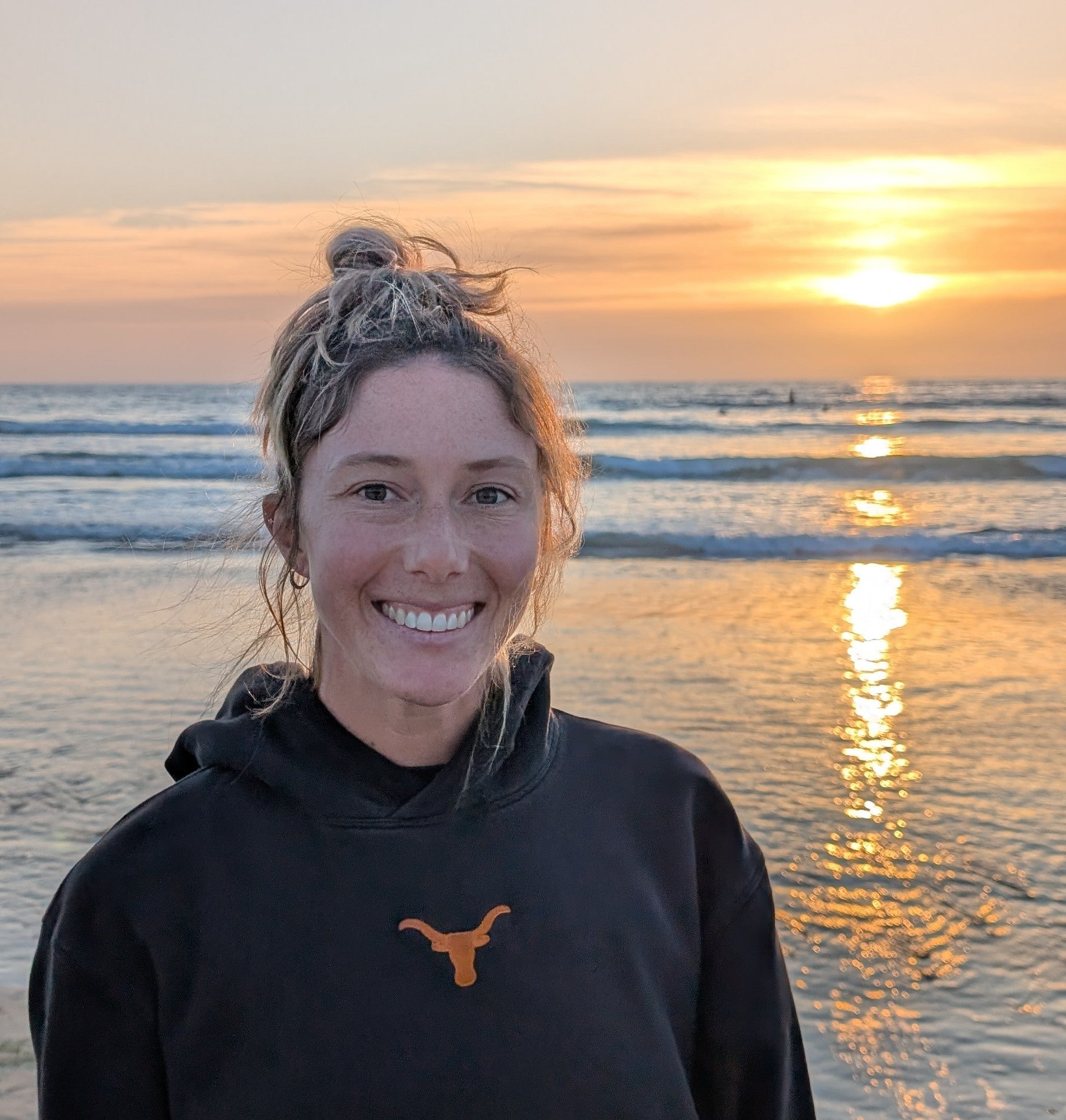
Juju is a Ph.D. candidate in Edward Marcotte’s lab in the Department of Cellular and Molecular Biology. Her research focuses on the symbiosis between Texas leafcutter ants and their fungus cultivar, and how they convert complex plant matter into digestible food. Using genomic, transcriptomic, and proteomic approaches, she identifies enzymes within the ant fecal fluid and characterizes their roles in lignocellulose degradation. As a Stengl-Wyer Fellow, Juju will compare these proteomic profiles across Texas habitats to uncover how local environmental factors shape this symbiosis on a molecular level.
STENGL-WYER GRANT AWARDEES
Aleah Henderson-Carter and Thomas Juenger
Project: Advancing Early-Career STEM Retention Through a Field-Based Plant Genetics CURE
Access to early research experiences is a well-documented predictor of student retention in STEM fields, particularly for students from low income and first-generation backgrounds. This proposal expands the X-Plants Freshmen Research Initiative (FRI) stream by creating a field-based experiential learning research program that connects molecular genetics to biodiversity and climate resilience.
Using a unique collection of over 1,000 genetically characterized lines of the perennial grass Panicum hallii, students will investigate how genetic diversity influences flowering time and drought response. With support from the Stengl-Wyer Endowment, we will establish long-term experimental gardens at Brackenridge Field Laboratory and the Stengl Lost Pines Biological Field Station. These sites will allow FRI and Accelerated Research Initiative (ARI) students to engage in hypothesis-driven research in natural and simulated drought conditions.
Over three years, our students will (1) integrate field ecology, molecular biology and data analysis to generate original datasets, (2) present their findings, and (3) contribute to biodiversity-relevant research. By linking genetic variation to ecosystem-level processes, this initiative strengthens experiential learning, supports student retention, and creates a scalable model for the X-Plants stream to provide field-based undergraduate research within the Texas Field Station Network.
Brian Sedio and Dale Forrister
Project: Integrating metabolomics into graduate student research in the life sciences
This Stengl-Wyer fund will support the collection of metabolomic data in support of student research to be carried out in EEB 384K Chemical Ecology in F2026 and F2028. The course has two components. In the discussion component, we explore the breadth of chemical ecology, from its historical focus on pheromonal communication and coevolution to new frontiers, including novel methods in metabolomics and chemically mediated species interactions. In the workshop component, students formulate testable hypotheses regarding the role of chemically mediated interactions in their own study systems, process their own samples, and analyze their own data in class under instructor supervision, with data collection made possible by the Stengl-Wyer Endowment Grant.
This project follows the previously successful SWG-22-01, which supported student data collection in F2022 and F2024. Students represented CNS graduate programs in EEB, Plant Biology, Cell and Molecular Biology, Microbiology, Nutrition, and Chemistry, as well as Anthropology and Biomedical Engineering and one undergraduate. Chemical Ecology has generated 13 student-led publications, including those led by visitors who observed the course, in journals including Proceedings B, Ecology, and New Phytologist, with another 10 in preparation. This project seeks to expand upon this success in F2026 and F2028.
George Yatskievych
Project: Preparing for a Flora of Central Texas
The Billie L. Turner Plant Resources Center has begun research for a new floristic manual of the vascular plants in the 50 counties of the Texas Hill Country. A new encyclopedia of this biologically diverse region is much needed to support research, education, and land management activities. This exciting project provides opportunities for outreach and education. To prepare for the necessary data compilation and specimen documentation, we need to process a backlog of incoming plant samples into permanent museum specimens and add these specimens to our digital archive. Additionally, research toward treatments of plant groups offers an opportunity for advanced training.
The PRC proposes to use well-established work-flows for training and education of both undergraduate and graduate students at UT-Austin. Over the three-year grant period we will offer three undergraduate internships per semester/summer session (supporting potentially 27 total students). Students will learn about herbarium management, floristics, specimen preparation, and the various phases of specimen digitization. Additionally, we will offer a graduate research fellowship during spring and fall semesters of Years 2 and 3. These would include training for herbarium management and digitization, but would also focus on advanced training for production of floristic treatments for the manual.